
Best Seller
-
Primal K2 1000 - Vitamina K2/MK7 200 mcg - No Soya, No Glutine, No Lattosio (300 compresse)
Produttore:GeoPaleoDiet IntegratoriPrezzo di listino €45,00 EURPrezzo di listinoPrezzo unitario per -
Vitamina D3 Alto Dosaggio 2000 UI in capsule softgel con Olio di Oliva
Produttore:GeoPaleoDiet IntegratoriPrezzo di listino €45,00 EURPrezzo di listinoPrezzo unitario per -
Letizia la Prima PASTA Keto-Paleo al Mondo. 280 g
Produttore:GeoPaleoDietPrezzo di listino €6,97 EURPrezzo di listinoPrezzo unitario per -
Tozzipedia Vol.3+ Video-Corso Bonus
Produttore:GeoPaleoDietPrezzo di listino €37,00 EURPrezzo di listinoPrezzo unitario per€37,00 EURPrezzo scontato €37,00 EUR -
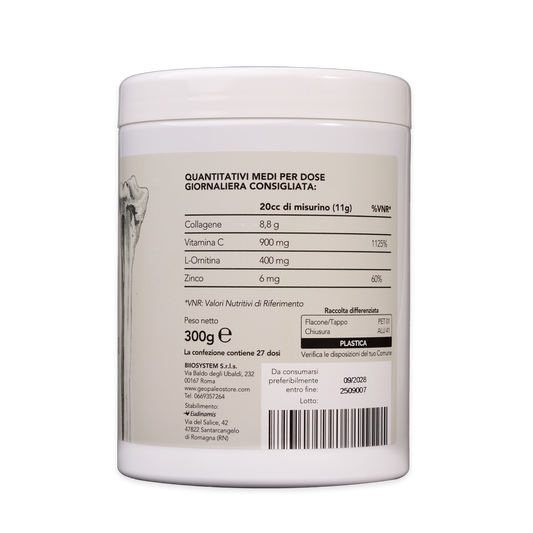
Collagene Primitivo. Pelle più morbida, anti-Rughe, meno Dolori Articolari in 30 giorni
Produttore:GeoPaleoDiet IntegratoriPrezzo di listino Da €59,00 EURPrezzo di listinoPrezzo unitario per -
MTHFR Support per gestione MTHFR, Omocisteina e Telomeri- 60 capsule senza Biossido di Silicio
Produttore:GeoPaleoDiet IntegratoriPrezzo di listino €36,00 EURPrezzo di listinoPrezzo unitario per -
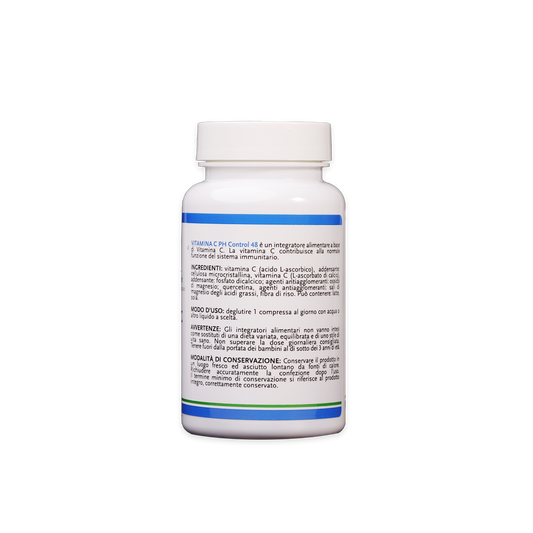
Vitamina C "pH Control" 48 - Maggior assorbimento, Meno Problemi gastrici
Produttore:GeoPaleoDiet IntegratoriPrezzo di listino €33,00 EURPrezzo di listinoPrezzo unitario per -
MetforVITA by Era Longeva. Mantieni Normali i livelli di Glucosio
Produttore:Era LongevaPrezzo di listino €57,00 EURPrezzo di listinoPrezzo unitario per -
Carne&Sale: la Carne secca con solo due ingredienti. Senza Zucchero, Senza Soia, Senza Conservanti
Produttore:Carne&SalePrezzo di listino €9,90 EURPrezzo di listinoPrezzo unitario per -
TESTO ZMA Natural – Supporto naturale per la fisiologica funzione ormonale maschile
Produttore:GeoPaleoDiet IntegratoriPrezzo di listino €57,00 EURPrezzo di listinoPrezzo unitario per






Dal nostro TikTok

Abbonamenti
Membership
Scopri come risparmiare moltissimi soldi con le nostre offerte in abbonamento mensile

Didascalia
Video Corsi
Vuoi saperne di più su alimentazione, longevità e integratori mirati? Allora acquista uno o più corsi streaming di Claudio Tozzi: la tua visione sulla salute cambierà per sempre
Articoli del blog
Visualizza tutto-

Come Ho Messo in Remissione il Mio Diabete 2 Se...
Il diabete di tipo 2 viene spesso raccontato come una malattia cronica, progressiva, destinata a peggiorare con il tempo. Un destino da accettare. Non è così. Il diabete di tipo...
Come Ho Messo in Remissione il Mio Diabete 2 Se...
Il diabete di tipo 2 viene spesso raccontato come una malattia cronica, progressiva, destinata a peggiorare con il tempo. Un destino da accettare. Non è così. Il diabete di tipo...
-

Come Abbassare l'Omocisteina Davvero. (Ogni aum...
Come abbassare l'omocisteina con dieta, vitamine B e abitudini mirate. Cosa controllare negli esami e quando serve un supporto serio.
Come Abbassare l'Omocisteina Davvero. (Ogni aum...
Come abbassare l'omocisteina con dieta, vitamine B e abitudini mirate. Cosa controllare negli esami e quando serve un supporto serio.
-

Integratori utili nella Sindrome Metabolica
Integratori per sindrome metabolica: quali hanno senso, quando usarli e come inserirli in una strategia seria su glicemia, lipidi e grasso viscerale.
Integratori utili nella Sindrome Metabolica
Integratori per sindrome metabolica: quali hanno senso, quando usarli e come inserirli in una strategia seria su glicemia, lipidi e grasso viscerale.


